


7 Basement Sounds You Should Never Ignore
Most homeowners expect their basement to be quiet. So when you suddenly hear a drip, a hum, or even a loud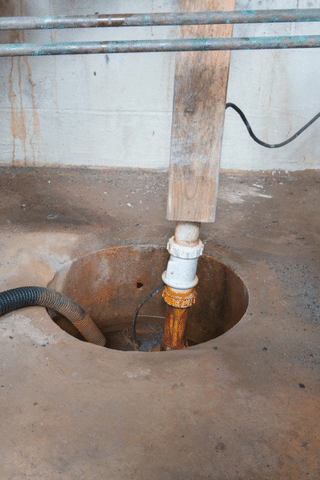 crack, it's easy to wonder if it's something to worry about or just your house "settling."
The truth is, some basement noises are completely normal. Others can be early warning signs of water intrusion, foundation movement, plumbing issues, or equipment that needs attention.
Knowing the difference can help you catch small problems before they turn into expensive repairs.
Here are seven basement sounds you should never ignore.
1. Constant Dripping
Hearing water drip in your basement when it hasn't rained can be concerning.
The source could be something as simple as condensation from a pipe, but it could also indicate:
-
Water entering through a foundation crack
-
A plumbing leak
-
Water collecting behind finished basement walls
-
A slow leak from a window well
If the dripping becomes more noticeable during or after rainfall, groundwater may be finding its way into your basement.
A professional inspection can determine whether the issue is related to plumbing or water infiltration. If groundwater is the culprit, an interior drainage system like WaterGuard® can collect water before it reaches your basement floor and direct it safely to a sump pump.
2. Your Sump Pump Never Stops Running
Your sump pump should cycle on when water enters the sump pit and turn off once the water has been discharged.
If it seems to run constantly, cycles every few minutes, or never turns on at all, it's worth investigating.
Possible causes include:
-
Heavy groundwater
-
A stuck float switch
-
A clogged discharge line
-
An undersized or aging pump
-
A failing check valve
Ignoring these warning signs could leave your basement vulnerable during the next major rainfall.
For homes with high groundwater levels, a high-capacity system like our TripleSafe™ Sump Pump System provides three levels of protection, including a battery backup that continues operating even during power outages.
3. Cracking or Popping Sounds
Concrete naturally expands and contracts as temperatures change, so occasional noises aren't unusual.
However, frequent popping, cracking, or snapping sounds could indicate movement within your foundation.
These sounds may be caused by:
-
Foundation settlement
-
Expanding clay soils
-
Hydrostatic pressure
-
Seasonal freeze-thaw cycles
If these noises are accompanied by new wall cracks, sticking doors, uneven floors, or gaps around windows, your foundation should be evaluated.
Depending on the cause, solutions such as foundation stabilization, wall reinforcement, or structural repair may be recommended.
4. Trickling Water Behind a Finished Wall
One of the most concerning sounds is water moving where you can't see it.
Finished basements can hide water problems for weeks or even months.
If you hear water running behind drywall after a storm, it may indicate:
-
Water entering through foundation cracks
-
Wall seepage
-
Basement window leaks
-
Water collecting inside wall cavities
By the time stains appear on drywall, significant moisture damage may have already occurred.
This is why many homeowners choose a complete waterproofing system that manages water before it reaches finished living spaces.
5. Buzzing or Humming From Mechanical Equipment
A quiet humming sound from your sump pump is perfectly normal while it's operating.
However, loud buzzing, grinding, rattling, or vibrating noises are not.
These sounds may indicate:
-
A worn motor
-
Debris inside the pump
-
Loose components
-
An aging pump nearing the end of its lifespan
Having your sump pump inspected before storm season can help prevent unexpected failures when you need it most.
6. Creaking Floors Above the Basement
Floor squeaks are common in many homes, but if they've become noticeably worse, your basement or crawl space may be contributing to the problem.
Moisture can weaken wooden floor joists over time, causing them to shift or flex.
In homes with crawl spaces, excess humidity may also contribute to wood movement.
If structural supports have weakened, solutions like SmartJack® support posts can help stabilize sagging floors while crawl space encapsulation helps control the moisture that often causes the problem in the first place.
7. Gurgling From Floor Drains
A gurgling floor drain often indicates air movement within your plumbing system, but it can also signal a developing drainage problem.
In some cases, it may be an early warning sign of:
-
A partial drain blockage
-
Sewer backup
-
Poor drainage
-
Water backing up during heavy rainfall
If you notice gurgling along with slow drains or unpleasant odours, it's best to have the issue investigated before it becomes a flooded basement.
Not Every Noise Means There's a Problem
Homes naturally make noise throughout the year.
Wood expands and contracts, plumbing pipes shift slightly, and mechanical equipment cycles on and off.
The key is paying attention to sounds that are:
-
New
-
Getting louder
-
Happening more frequently
-
Appearing after heavy rain
-
Accompanied by water, cracks, dampness, or musty odours
These are often your home's way of telling you something has changed.
Why Early Detection Matters
Many basement problems don't begin with standing water. They start with subtle warning signs that homeowners overlook.
A small drip can become a flooded basement.
A noisy sump pump can stop working during the next storm.
A tiny foundation crack can widen as the soil around your home shifts.
Addressing these issues early is almost always simpler and less expensive than waiting until visible damage occurs.
Peace of Mind Starts With a Professional Inspection
If you've started hearing unusual sounds in your basement, don't assume they're harmless.
At Basement Systems Toronto, our specialists perform thorough inspections to identify the source of water intrusion, moisture, or foundation concerns. Whether the solution involves repairing a foundation crack, installing a WaterGuard® Interior Drainage System, upgrading to a TripleSafe™ Sump Pump System, reinforcing a settling foundation, or improving basement humidity with a SaniDry™ Sedona Dehumidifier, we'll recommend the right solution for your home.
Sometimes, the only thing standing between a quiet basement and a costly repair is recognizing the warning signs early.
