


Is Your Basement Making You Sick? The Link Between Mold and Seasonal Allergies
When allergy season hits the Greater Toronto Area, most homeowners blame pollen, dust, and outdoor triggers.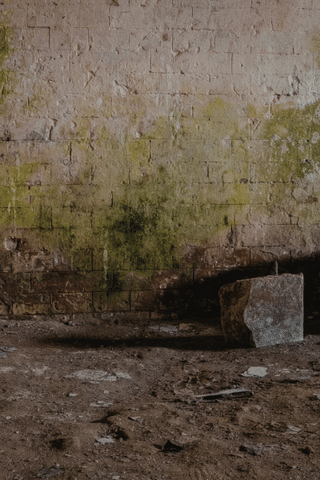 But what if the real problem is inside your home?
Your basement could be contributing to your symptoms without you even realizing it. Moisture, poor ventilation, and hidden mold growth can turn your basement into a source of allergens that affect your entire living space.
Understanding the connection between basement conditions and seasonal allergies can help you protect both your home and your health.
How Basement Conditions Affect Your Air Quality
Basements are naturally more prone to moisture than the rest of the home. Being below grade, they are surrounded by soil that holds water, especially during spring snowmelt and heavy rain.
When moisture enters your basement through foundation cracks, poor drainage, or high humidity, it creates the perfect environment for mold growth.
Mold releases microscopic spores into the air. These spores do not stay confined to the basement. They travel throughout the home through air circulation, affecting the air you breathe every day.
This is often referred to as the stack effect. Air moves upward through your home, carrying basement air along with it to the main floors and bedrooms.
Mold and Allergy Symptoms
Mold exposure can trigger many of the same symptoms as seasonal allergies, making it difficult to identify the true cause.
Common symptoms include:
• Sneezing and nasal congestion
• Itchy or watery eyes
• Persistent cough or throat irritation
• Skin irritation
• Worsening asthma symptoms
• Headaches and fatigue
If these symptoms seem worse when you are at home or improve when you leave, your basement could be playing a role.
Why Spring and Fall Make It Worse
Seasonal changes in the GTA can increase basement moisture and worsen mold-related issues.
Spring
Snowmelt and heavy rainfall raise the water table around your home. This increases hydrostatic pressure against your foundation, pushing moisture into your basement.
Fall
Cooler temperatures combined with indoor heating can create condensation on basement walls and floors, especially if humidity levels are high.
Both seasons create ideal conditions for mold growth and increased airborne spores.
Signs Your Basement May Be Affecting Your Health
Even if you do not see visible mold, there are warning signs that your basement may be contributing to poor indoor air quality:
• Musty or damp odors
• Visible stains or discoloration on walls or floors
• Efflorescence on concrete surfaces
• High humidity or condensation
• Warped wood or deteriorating materials
• Past water leaks or flooding
These signs indicate excess moisture, which is the root cause of mold growth.
The Role of Humidity
Humidity is one of the biggest factors in mold development. Mold thrives when relative humidity levels exceed 60 percent.
Many basements in the Toronto area naturally sit above this level without proper control.
A standard dehumidifier may help temporarily, but it often lacks the power and capacity to handle a basement environment long term.
Controlling humidity consistently is essential to preventing mold and reducing allergens.
How Basement Systems Toronto Can Help
At Basement Systems Toronto, we focus on solving the root causes of moisture and mold, not just the symptoms.
Our WaterGuard system is designed to capture water at the perimeter of your basement and direct it safely to a sump pump system. This helps prevent water from reaching your floors and walls.
Our TripleSafe Sump Pump provides three levels of protection, including a battery backup, to keep your basement dry even during heavy storms or power outages.
Our high-performance basement dehumidifiers are designed specifically for below-grade spaces. They control humidity, filter the air, and reduce the risk of mold growth.
Moisture can enter through basement walls. Our wall systems help create a barrier that prevents water vapor from entering your space.
Why DIY Solutions Are Not Enough
It is common for homeowners to try quick fixes like bleach cleaning or small dehumidifiers. While these may offer temporary relief, they do not address the underlying moisture problem.
Mold will continue to return as long as moisture is present.
A permanent solution requires identifying how water is entering your basement and implementing a system designed to manage it effectively.
When to Take Action
If you notice persistent allergy symptoms, especially outside of peak pollen seasons, it may be time to look beyond the outdoors.
Consider a professional inspection if:
• Your basement has a history of dampness or flooding
• You notice musty odors or visible signs of moisture
• Your allergies seem worse at home
• You have a finished basement where air quality is critical
Protect Your Home and Your Health
Your basement should not be a source of discomfort or health concerns. By addressing moisture and preventing mold growth, you can improve your indoor air quality and reduce allergy symptoms.
Basement Systems Toronto offers proven solutions to keep your basement dry, healthy, and comfortable year-round. From advanced sump pump systems to professional dehumidification and drainage solutions, our team is here to help.
If you suspect your basement may be affecting your health, now is the time to take action. Schedule an inspection and take the first step toward a cleaner, healthier home.
