


The Science of Efflorescence: What That White Powder on Your Walls is Telling You
If you’ve ever gone down to your basement and noticed a chalky white powder on the walls or floor, you’re not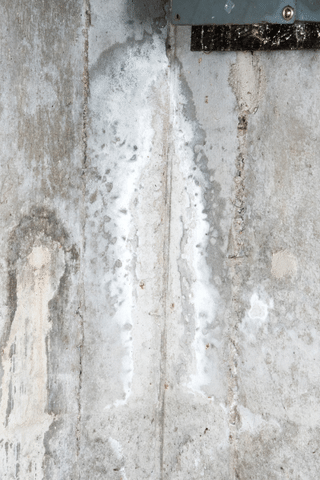 alone. This is called efflorescence. It might look harmless, but it’s actually your home sending you a message. Understanding what it is and why it happens can help you avoid bigger issues later.
What Is Efflorescence?
Efflorescence is a white, powdery residue that forms on concrete, brick, or stone surfaces. You’ll often see it on basement walls or floors.
It comes from a simple process. Water moves through concrete or masonry, picks up natural salts inside the material, and then evaporates. When the water disappears, the salts are left behind on the surface.
That’s the white powder you’re seeing.
Why It Happens in Basements
Concrete looks solid, but it’s actually full of tiny pores. Water from the soil around your home can pass through those pores over time.
Basements deal with this more than any other part of the house because they sit below ground level. Moisture in the soil is always pressing against the foundation, and that pressure can push water inside.
A few common reasons efflorescence shows up:
- Constant exposure to damp soil
- Water pressure against the foundation walls
- Poor drainage around the home
- Seasonal changes like freezing and thawing
Even if you don’t see water leaking in, moisture can still be present. Efflorescence is often the first visible sign.
Is Efflorescence Dangerous?
On its own, efflorescence is not dangerous. It won’t affect your health, and it doesn’t mean your foundation is about to fail.
That said, it shouldn’t be ignored.
It tells you that water is getting into your basement. And once moisture is present, other problems can follow:
- Mold or mildew
- Musty smells
- Gradual wear on concrete
- Higher humidity
- Damage to finished spaces
So while the powder itself is harmless, what it represents matters.
How to Remove Efflorescence
You can clean efflorescence fairly easily, but cleaning it does not fix the cause.
Some common ways to remove it:
- Brushing it off with a stiff, dry brush
- Using a mild cleaner or a product made for efflorescence
- Light rinsing, being careful not to add too much water
It may look better after cleaning, but if moisture is still getting in, the white powder will come back.
The Real Solution: Controlling Moisture
To stop efflorescence for good, you need to deal with the source of the moisture.
Some effective approaches include:
Interior drainage systems
These collect water as it enters and direct it away before it reaches your basement floor.
Sump pump systems
A sump pump removes water from your basement and sends it away from your home.
Vapor barriers
These help block moisture from passing through walls and into the air inside your basement.
Improving exterior drainage
Making sure water flows away from your foundation instead of pooling around it.
When to Take Action
If you’re seeing efflorescence, it’s worth looking into, especially if:
- It keeps coming back after cleaning
- You notice damp areas or staining
- The basement smells musty
- You’re planning to finish the space
Catching the issue early can help you avoid more expensive repairs later.
Final Thoughts
Efflorescence might not seem like a big deal at first, but it’s a clear sign that moisture is getting into your home. Paying attention to it now can help you prevent bigger problems down the road.
If you’re not sure what’s causing it, having a professional take a look can give you clarity and a plan to fix it properly. The key is to deal with the source, not just what you see on the surface.
